When Your Laptop Goes Dark: A Journalist's Guide to Data Recovery on a Black Screen
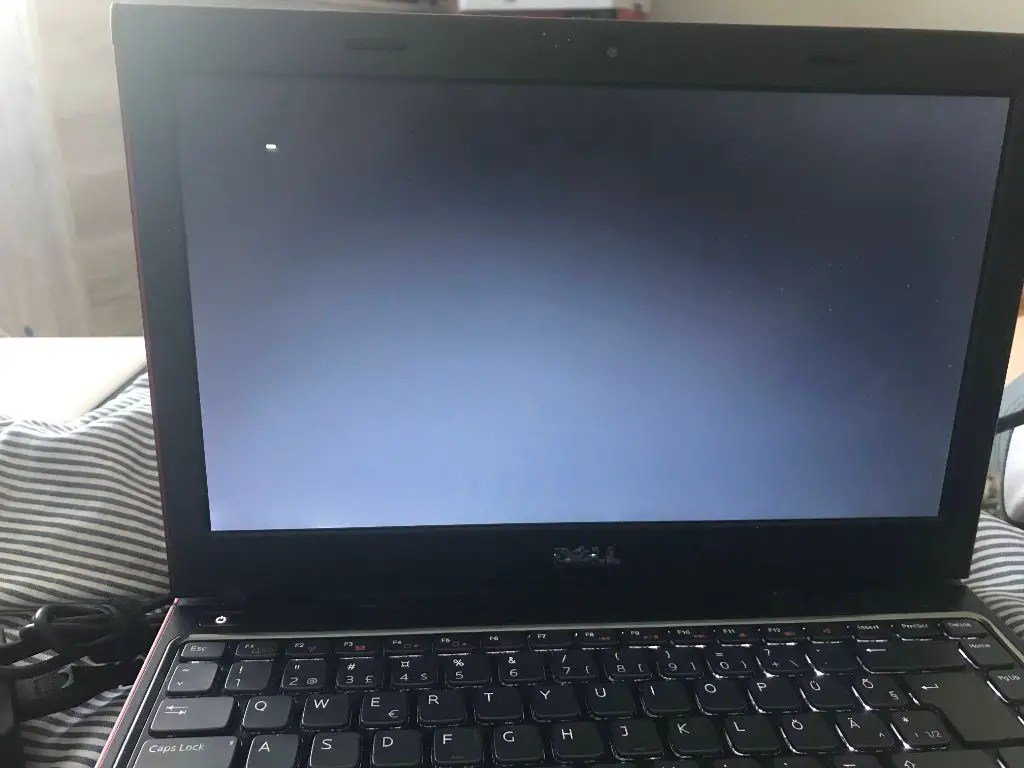
Your laptop is on, fans whirring, indicator lights glowing – but the screen? Absolutely nothing. Just a persistent, unsettling blackness. It’s a frustrating scenario many of us have faced, whether you own an HP, Lenovo, Asus, Dell, or Acer. The immediate thought isn't always about hardware; it's often, "What about my photos? My documents? My work?" When your Data Recovery When Laptop is Stuck on Black Screen becomes your primary concern, knowing the right steps can make all the difference between a temporary setback and a permanent loss.
This isn't just about fixing the black screen; it's about safeguarding your digital life first. Before you dive into troubleshooting, understand that some fixes can inadvertently jeopardize your data. This guide will walk you through securing your precious files, then systematically address the underlying causes of the black screen.
At a Glance: Your Data Recovery & Black Screen Survival Guide
- Don't Panic: A black screen doesn't always mean your data is lost forever.
- Prioritize Data: Always attempt data recovery before aggressive troubleshooting.
- External Monitor Test: Your first diagnostic step to check if it's a display issue or a deeper system problem.
- Hard Reset Magic: Often, simply draining residual power can resolve minor glitches.
- Bootable Recovery Tool: Use a reliable tool like EaseUS Data Recovery Wizard to pull files off a non-booting system.
- Memory Matters: Loose RAM modules are a surprisingly common culprit for black screens.
- When to Call Pros: Some issues require professional intervention to avoid further damage.
Understanding the Black Screen Blight: Common Suspects
A black screen means your laptop powers on, but the display remains blank. The cause isn't always obvious, but several common culprits often lie beneath the surface:
- Corrupted Graphics Drivers: A faulty or outdated graphics driver can prevent the display from initializing, especially after a Windows update.
- Display Backlight Failure: The screen itself might be fine, but its illumination system could have failed, making it appear black.
- Operating System Update Glitches: Sometimes, a botched Windows update can leave your system in an unbootable state, manifesting as a black screen.
- Loose Memory Modules (RAM): If your RAM isn't seated correctly, your laptop might not be able to complete its Power-On Self-Test (POST), leading to no display.
- Hardware Conflicts: Newly installed hardware or even a faulty peripheral can sometimes cause a conflict, preventing proper boot.
Regardless of the cause, your primary goal should be data preservation.
First Things First: Secure Your Data – The Unnegotiable Priority
Imagine losing years of photos, important work documents, or precious personal projects. This is why, when your laptop is stuck on a black screen, data recovery is not just a suggestion, it's the recommended first step. Before you attempt any fixes that might involve resetting your system, reinstalling Windows, or tinkering with hardware, retrieve your files.
Why? Because some troubleshooting steps, while effective for fixing the black screen, could format your drive or corrupt data further. Think of it as putting on your seatbelt before starting the car �� a critical safety measure.
Your Lifeline: Creating a Bootable Data Recovery Disk
For many users, a specialized bootable data recovery solution is the most reliable way to access files on a non-booting laptop. Tools like EaseUS Data Recovery Wizard are designed for scenarios exactly like this. Here’s how you typically navigate this crucial process:
1. Prepare Your Recovery Toolkit:
You’ll need:
- Another working computer.
- An empty USB flash drive (at least 8GB). Important: This process will erase all data on the USB drive. Ensure it contains nothing you need.
- The EaseUS Data Recovery Wizard software installed on the working computer.
2. Create the Bootable Disk: - Launch EaseUS Data Recovery Wizard on your working PC.
- Look for the "Crashed PC" or similar option within the software.
- Select your empty USB drive from the list.
- Click "Create" (or equivalent) to begin the process. The software will download necessary files and write the bootable environment to your USB drive.
3. Boot Your Black Screen Laptop from the USB:
This step tells your malfunctioning laptop to start from the USB drive instead of its internal hard drive. - Connect the newly created bootable USB drive to your black screen laptop.
- Restart the laptop. As it powers on, you'll need to rapidly press a specific key to enter the BIOS or Boot Menu. This key varies by manufacturer:
- Dell: F2, F12
- HP: F10, Esc
- Lenovo: F1, F2, Fn+F2, Enter (then F1 or F2)
- Asus: F2, Del
- Acer: F2, Del
- Once in the BIOS/Boot Menu, navigate to the "Boot" tab or "Boot Order."
- Change the boot sequence to prioritize "Removable Devices" or your specific USB drive.
- Save the changes (usually F10) and exit BIOS. Your laptop should now attempt to boot from the USB.
4. Recover Your Data: - If successful, your laptop will boot into a stripped-down version of the operating system with the EaseUS recovery environment.
- The software will automatically launch. Select the drive (usually your laptop's internal hard drive) that you want to scan for lost files.
- Initiate the scan. Once complete, you can preview the files it found.
- Select the files you wish to recover.
- Crucially, save the recovered files to a safe location that is NOT your laptop's internal drive. This could be an external hard drive, another USB drive, or even cloud storage. Saving back to the problematic drive can overwrite data and hinder further recovery efforts.
This data recovery step provides immense peace of mind. With your files safely backed up, you can now proceed with troubleshooting the black screen itself without the constant worry of data loss. For further advice on proactive steps to prevent data loss, consider regular backup routines.
Troubleshooting the Black Screen: Steps to Bring Your Laptop Back to Life
With your data secured, it's time to tackle the black screen head-on. These steps range from simple resets to more involved hardware checks.
1. The Power Cycle: Hard Reset Your Laptop
A hard reset can drain residual electrical charge from capacitors, often clearing minor system glitches or unjamming a hung process. It's a surprisingly effective first fix for many black screen scenarios.
How to Perform a Hard Reset:
- Step 1: Turn off your laptop completely. If it's in a docking station or port replicator, remove it.
- Step 2: Disconnect all external peripheral devices. This means USB drives, external displays, printers, mice, keyboards, and even your AC power adapter.
- Step 3: If your laptop has a removable battery, take it out.
- Step 4: With the battery removed (or if it's non-removable, with just the power cord unplugged), press and hold the laptop's "Power button" for about 15 seconds. This discharges any leftover power.
- Step 5: Reinsert the battery (if removable) and plug the AC adapter back in. Do NOT reconnect any peripherals yet.
- Step 6: Press the "Power button" to turn on the laptop.
- Step 7: If a startup menu appears, select "Start Windows Normally."
- Step 8: Once Windows successfully loads, you can reconnect your peripheral devices one by one. If a device causes the screen to go black again, you've found a likely culprit.
2. External Monitor Test: Is It Your Screen or Your System?
This simple test helps determine if the problem lies with your laptop's internal display or with the graphics card/operating system.
Connecting an External Display:
- Step 1: Connect an external monitor (TV, desktop monitor) to your laptop using an appropriate cable (VGA, DVI, HDMI, or DisplayPort).
- Step 2: Turn on the external monitor.
- Step 3: Restart your laptop.
- Step 4: If you don't see an image on the external monitor immediately, press the F4 key (or the appropriate key to cycle display outputs, often Fn + F4) repeatedly until an image appears.
Interpreting the Results: - Image appears on the external monitor: This is good news! Your laptop's graphics card is likely working, and the problem is probably with your laptop's internal display, its backlight, or its driver. Your next step should be to troubleshooting common graphics driver issues by updating or reinstalling the latest graphics and chipset drivers from your laptop manufacturer's website.
- No image on either display (but sounds of operation are heard): This suggests a deeper issue, possibly with the graphics card itself, the motherboard, or even the RAM. You might consider testing with a different external monitor if possible, but prepare for more advanced troubleshooting or professional service.
- No image and no sounds: This could indicate a power issue or a critical hardware failure preventing the system from booting at all.
3. Reseat the Memory Modules (RAM): A Common Fix
Loose or improperly seated RAM modules are a frequent, yet often overlooked, cause of a black screen. Your laptop won't boot if it can't properly communicate with its memory.
How to Reseat Your RAM:
- Step 1: Power Down and Disconnect: Turn off your laptop completely and disconnect the AC adapter.
- Step 2: Static Discharge: Before touching any internal components, discharge any static electricity from your body. You can do this by touching a grounded metal object, like a metal pipe or a computer case (not your laptop).
- Step 3: Access Memory: Locate and open the memory compartment cover on the bottom of your laptop. This usually involves unscrewing a few small screws. Refer to your laptop's service manual if you're unsure.
- Step 4: Remove Modules: Gently push the retaining clips on either side of the RAM module outwards. The module should pop up at an angle. Carefully pull it out. Repeat for all modules.
- Step 5: Reinsert Firmly: Align each memory module with its slot, ensuring the notch on the module matches the key in the slot. Push the module firmly into the slot at an angle until it's fully seated, then push it down until the retaining clips snap into place. You should hear a soft click.
- Step 6: Test: Close the memory compartment, reconnect the power cord, and try to turn on your laptop. See if it starts and runs Windows normally. If you want to learn more about when it's time to replace laptop components, memory upgrades are often a good starting point.
4. Reset Your PC: A Software Refresh (Use After Data Recovery!)
If the black screen persists and you suspect a software-related issue (perhaps from a failed update), resetting Windows can be a viable solution. This is a more drastic step than the others, reinforcing why data recovery before this point is crucial. You can often choose to keep your personal files, but it will reinstall Windows and remove most installed apps and settings.
Accessing Windows Recovery Environment (WinRE):
- Step 1: If you can reach the Windows 10 sign-in screen (even if it's black except for the cursor, or you're just guessing where the login box is), press the Windows logo key + L.
- Step 2: From the sign-in screen (or what you perceive as the sign-in screen if nothing is displayed), hold down the Shift key. While holding Shift, click the "Power" icon (usually in the lower-right corner of the screen) and then select "Restart."
- Step 3: Continue holding the Shift key until your PC restarts into the Windows Recovery Environment (WinRE). This environment bypasses your normal Windows boot.
Performing the Reset: - Once in WinRE, you'll see an options screen. Choose "Troubleshoot."
- Then select "Reset this PC."
- You'll be given two main options:
- Keep my files: This option removes apps and settings but keeps your personal files.
- Remove everything: This option completely wipes your drive and reinstalls Windows.
- Select the "Keep my files" option for a less disruptive reset. Follow the on-screen instructions. The process can take some time.
This can fix issues related to corrupted system files or a problematic OS installation.
5. When to Seek Professional Help: Repair Services
Sometimes, the problem is beyond DIY troubleshooting, or you simply don't have the time or confidence to perform more invasive checks. This is particularly true if the black screen persists after trying the above steps, or if you suspect a deeper hardware failure (like a faulty motherboard or CPU).
Professional technical services can offer manual recovery and specialized repairs. They can diagnose complex issues, including:
- Fixing Windows boot issues (like the black screen or Blue Screen of Death).
- Configuring the Windows environment.
- Restoring your system from advanced backups.
- Optimizing PC performance.
Companies like EaseUS, for example, offer dedicated laptop black screen solutions and other repair services. Don't hesitate to reach out to certified technicians if you're out of options or uncomfortable with the steps. Sometimes, their specialized tools and expertise can resolve issues that would be impossible to fix at home. Consulting them might be cheaper than replacing a laptop entirely, especially if the issue is a repairable component.
Beyond the Fix: Preventative Measures and Maintenance
Getting your laptop back from a black screen is a relief, but it's also a valuable lesson. Here's how to minimize the chances of a repeat performance:
- Regular Backups: This cannot be stressed enough. Automate backups to an external drive or cloud service. This makes data recovery from a black screen less stressful because you already have your most important files secure. Consider exploring best external hard drives for reliable backups.
- Keep Drivers Updated (Carefully): While corrupt drivers can cause issues, outdated drivers can also lead to problems. Update your graphics and chipset drivers directly from your laptop manufacturer's website. Avoid generic driver update tools.
- Gentle Handling: Laptops are robust but not indestructible. Physical shocks can dislodge internal components like RAM modules.
- Monitor OS Updates: While crucial for security, sometimes Windows updates can cause issues. Read reviews or wait a few days after a major update to see if others report problems before installing.
- Proper Shutdowns: Always shut down your laptop properly. Forcing power off repeatedly can corrupt system files.
- Dust Maintenance: Overheating can contribute to hardware failure. Periodically clean your laptop's vents and fans to ensure proper airflow.
Moving Forward with Confidence
Facing a black screen is daunting, but it's a battle you can often win, especially with a systematic approach. The most critical takeaway: always prioritize data recovery. Once your files are safe, you can confidently work through the troubleshooting steps, from simple hard resets to more involved memory reseating or even a system reset.
Remember, your laptop is a complex piece of machinery. If at any point you feel out of your depth, or the issue seems to stem from a deeper hardware problem, don't hesitate to consult a professional. With the right knowledge and a bit of patience, you can turn that unsettling black screen back into a vibrant display of your digital world.